A failing transmission is one of the most stressful and expensive problems a vehicle owner can face. The good news is that you do not always need a full replacement. This guide explains the real difference between transmission repair rebuild and replacement how much each option typically costs in Canada warning signs to watch for and how to make the right decision without wasting money.
This article is written to help drivers clearly understand their options and avoid unnecessary repairs while protecting long term vehicle performance.
Understanding Transmission Repair, Rebuild and Replacement
Transmission Services focuses on fixing a specific issue such as a worn seal faulty solenoid damaged sensor or fluid leak. This is usually the most affordable solution when the problem is detected early.
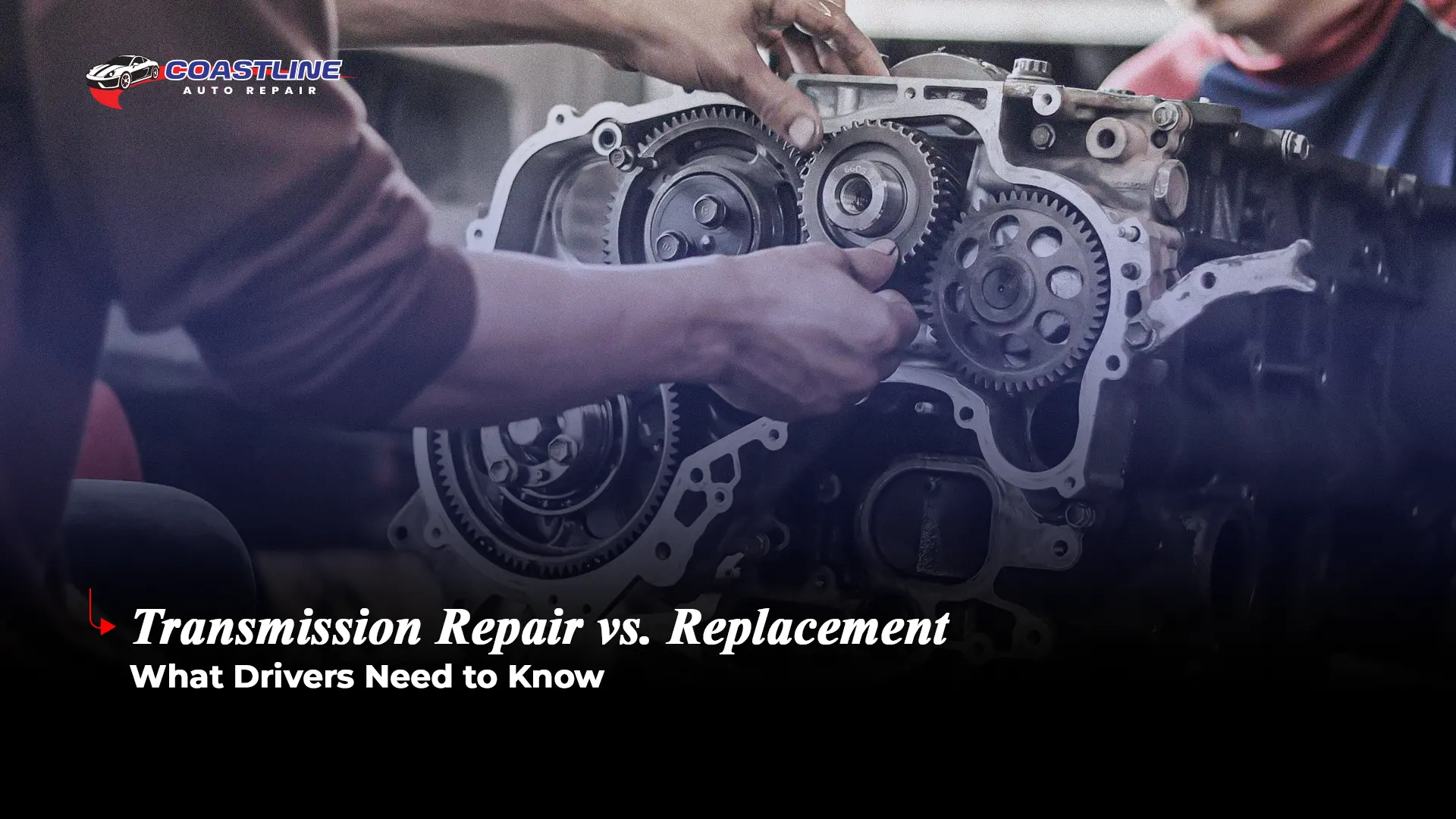
A transmission rebuild involves removing the transmission disassembling it replacing worn or damaged components and reassembling it to restore proper function. This option costs more than a repair but far less than a full replacement and can extend the life of the vehicle significantly.
Transmission replacement means removing the entire unit and installing a new or remanufactured transmission. This option provides near factory performance but comes with the highest cost and is usually recommended when internal damage is severe.
Transmission Repair vs Replacement Cost in Canada
Costs depend on vehicle type transmission design and labour rates. In Canada transmission rebuilds generally range from fifteen hundred to thirty five hundred dollars while full transmission replacement can range from twenty five hundred to seven thousand dollars or more for complex vehicles.
Minor repairs such as fluid replacement sensor repairs or seal replacement may cost only a few hundred dollars. Early diagnosis plays a major role in keeping costs manageable.
Warning Signs your Transmission Needs Attention
Recognizing early symptoms can help prevent major damage and expensive repairs. Common warning signs include delayed gear engagement slipping between gears rough or jerky shifting unusual grinding or whining noises fluid leaks or a burning smell and dashboard warning lights.
If you experience reduced acceleration hesitation while driving or sudden gear changes it is important to have the transmission inspected immediately by a professional technician.
Transmission lifespan and when replacement makes sense
Most vehicle transmissions are designed to last between one hundred thousand and two hundred thousand miles depending on driving habits maintenance and vehicle quality. In Canadian driving conditions extreme cold heavy traffic and towing can reduce lifespan if maintenance is neglected.
If your vehicle has very high mileage and additional mechanical issues replacement may not be financially sensible. However if your vehicle is newer well maintained and otherwise reliable a rebuild or replacement can restore years of dependable performance.
Pros and Cons of rebuilding a transmission
Rebuilding a transmission costs less than replacement and keeps the original transmission housing ensuring proper fitment. When done by an experienced technician a rebuild can significantly extend transmission life.
However rebuild quality depends heavily on technician expertise and parts used. In some cases not all components can be fully restored which may reduce longevity compared to a new unit.
Pros and cons of transmission replacement
Transmission replacement offers near factory performance and often includes a longer warranty especially when using a remanufactured or new unit. It reduces the risk of repeated failures and provides peace of mind for long term ownership.
The main drawback is higher upfront cost. Replacement may also require additional programming calibration or supporting part upgrades depending on the vehicle.
How to choose the right option for your vehicle
Start with a professional diagnostic including fluid inspection electronic scanning and pressure testing. Accurate diagnosis prevents unnecessary expenses.
Compare written estimates carefully and review what is included in parts labour and warranty coverage. Consider your vehicle’s market value mileage and how long you plan to keep it.
Ask about the quality of replacement parts used whether they are original equipment or aftermarket and confirm warranty terms in writing. Choosing an experienced transmission specialist is critical for reliable results.
How regular maintenance prevents transmission failure
Routine maintenance is the most effective way to avoid major transmission repairs. Follow manufacturer recommended service intervals for transmission fluid changes. Avoid excessive towing and aggressive driving especially in cold weather.
Address leaks warning lights and unusual behaviour early. Preventive maintenance costs far less than major repairs and helps ensure smooth reliable performance year round.
Final Thoughts
Transmission problems do not automatically mean replacement. Many issues can be repaired or resolved with a professional rebuild when caught early. Replacement becomes the better option when internal damage is severe or when long term reliability is the priority.
If your vehicle shows signs of transmission trouble the smartest step is scheduling a professional inspection. Making an informed decision based on vehicle condition cost and future plans can save thousands of dollars and keep your car running safely and smoothly.